Fig in Quran Verse: Spiritual Meaning and Health Benefits
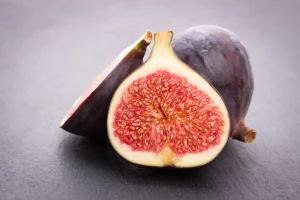
The mention of the fig in Quran verse in Surah At-Tin is full of wisdom and meaning. In this article, we will explore the interpretation of this verse, its spiritual lessons, and the deep symbolism behind the fig in Islamic tradition. We will also highlight the remarkable health benefits of figs, showing how this blessed fruit connects both faith and daily life. By reflecting on the fig in Quran verse, we can better understand its significance for our body, mind, and soul.
Fig in Quran Verse: Why the Fig and the Olive Are Mentioned Together
The fig in Quran verse is mentioned alongside the olive in Surah At-Tin, creating a powerful connection between two sacred fruits. Both are symbols of nourishment, blessing, and divine wisdom. Scholars explain that the pairing highlights the spiritual and physical benefits these fruits carry, as well as their historical importance in the lands of revelation. The mention of the fig and olive together reminds believers of the harmony in God’s creation and encourages gratitude for these gifts. Reflecting on the fig in Quran verse allows us to see how faith and nature are deeply intertwined.
Prophetic Traditions and Hadiths About Figs
While the fig in Quran verse is the most direct reference in the Qur’an, prophetic traditions also highlight the importance of figs. Several narrations mention that the Prophet Muhammad ﷺ praised figs as a fruit of Paradise and encouraged their consumption. These hadiths not only emphasize the nutritional value of figs but also underline their spiritual symbolism as a blessed gift from Allah. By connecting the fig in Quran verse with prophetic traditions, Muslims can better appreciate the holistic role of this fruit in both faith and daily living.
Interpretations of Islamic Scholars on the Fig Verse
The fig in Quran verse has attracted various interpretations from Islamic scholars over the centuries. This verse, often seen as rich in symbolism, has been analyzed for its deeper meanings and implications. Scholars highlight that the mention of the fig signifies God’s creation and the diversity of His blessings.
One interpretation suggests that the fig in Quran verse represents the importance of gratitude. Just as the fig is a source of nourishment, believers are encouraged to recognize and appreciate the bounties of Allah. Additionally, some scholars view the fig as a metaphor for the human soul’s potential for growth and development, paralleling the natural process of a fig tree bearing fruit.
Furthermore, the fig’s association with the olive in the verse is also significant. Scholars note that both fruits symbolize spiritual and physical well-being, emphasizing the interconnectedness of faith and health. This duality invites believers to seek balance in their lives, nurturing both their bodies and souls.
In summary, the interpretations of the fig in Quran verse by Islamic scholars serve to enrich our understanding of this fruit’s significance, urging believers to reflect on their relationship with nature and their Creator.
Linguistic Breakdown of the Word “Tin” in Arabic
The Arabic word for fig, “تين” (tin), offers interesting insights when examined linguistically.
- Root and Structure: The word “تين” is derived from the root letters “ت” (ta), “ي” (ya), and “ن” (noon). In Arabic morphology, roots often convey a core meaning, and variations of these letters can form related words.
- Meaning and Usage: The term “تين” specifically refers to the fig fruit, which is known for its sweetness and health benefits. In classical Arabic, it carries connotations of abundance and nourishment, aligning with its mention in the fig in Quran verse.
- Cultural Significance: The linguistic roots of “تين” reflect the fruit’s importance in Arab culture, where it symbolizes fertility and prosperity. This cultural backdrop enhances its spiritual significance in the Quran.
- Related Words: The root letters can lead to other derived forms, such as “مَأْكُولَاتٌ” (meals) or “مَغْذِيَاتٌ” (nourishments), illustrating the broader context of sustenance and nourishment associated with the fig.
In summary, the linguistic breakdown of the word “تين” enriches our understanding of its role in the fig in Quran verse, emphasizing its significance as a symbol of sustenance and divine blessing.
How the Fig Verse Encourages Gratitude Toward Daily Blessings
The fig in Quran verse serves as a profound reminder of the daily blessings that surround us. By highlighting the fig, a fruit known for its nutritional value and sweetness, the verse encourages believers to reflect on the gifts of Allah عز وجل.
- Symbol of Abundance: The fig is often associated with abundance and fertility. Recognizing its presence in the Quran prompts individuals to appreciate the various bounties they receive daily, from food to health.
- Mindfulness in Consumption: The verse invites believers to be mindful of what they consume. This mindfulness can foster a deeper appreciation for the simple, everyday blessings, reminding us to thank Allah for His provisions.
- Connection to Spiritual Nourishment: Just as figs nourish the body, they symbolize spiritual nourishment. The verse encourages believers to cultivate gratitude not only for physical sustenance but also for spiritual growth and guidance.
- Promoting a Grateful Heart: By reflecting on the fig in Quran verse, individuals are motivated to develop a habit of gratitude. This attitude fosters a positive mindset, helping believers recognize the countless blessings in their lives, no matter how small.
In summary, the fig in Quran verse is a powerful reminder to cultivate gratitude toward daily blessings, encouraging a holistic appreciation for both material and spiritual sustenance.
Eternal Lessons of the Fig in Quran Verse for Humanity
The fig in Quran verse offers timeless lessons that resonate with humanity across generations. Its significance extends beyond mere mention; it embodies profound teachings that can guide individuals in their daily lives.
- Appreciation of Creation: The fig symbolizes the beauty and complexity of creation. By reflecting on this fruit, believers are reminded to appreciate the intricate wonders of the world around them, fostering a sense of gratitude toward Allah عز وجل.
- Health and Well-being: The nutritional benefits of figs highlight the importance of taking care of one’s health. This lesson encourages individuals to prioritize their well-being, recognizing that physical health is a form of divine blessing.
- Spiritual Growth: The fig serves as a metaphor for personal development. Just as a fig tree bears fruit, individuals are encouraged to cultivate their inner qualities and strive for spiritual growth, enhancing their relationship with Allah عز وجل.
- Interconnectedness of Life: The pairing of the fig with the olive in the verse symbolizes the interconnectedness of all living things. This teaches humanity the importance of harmony and cooperation, urging individuals to foster positive relationships within their communities.
- Gratitude and Reflection: The fig in Quran verse inspires a mindset of gratitude and reflection. By recognizing the blessings in their lives, individuals can cultivate a positive outlook and deepen their faith.
In conclusion, the fig in Quran verse imparts eternal lessons for humanity, encouraging appreciation, health, spiritual growth, interconnectedness, and gratitude. These teachings remain relevant, guiding individuals toward a meaningful and fulfilling life.
Nutritional Properties of Figs Highlighted by Modern Science
Modern science has also unveiled their impressive nutritional profile. Rich in essential vitamins and minerals, figs offer numerous health benefits:
- Vitamins and Minerals: Figs are a good source of vitamin B6, vitamin K, potassium, magnesium, and calcium, which are vital for various bodily functions.
- Fiber Content: High in dietary fiber, figs promote digestive health, aid in regular bowel movements, and help maintain a healthy weight.
- Antioxidants: Figs contain antioxidants like polyphenols, which combat oxidative stress and may reduce the risk of chronic diseases.
10 Tips to Benefit from Online Islamic Courses for Beginners
Health Benefits of Figs
The health benefits of figs extend far beyond their nutritional content:
- Digestive Health: The fiber in figs aids digestion, preventing constipation and promoting gut health.
- Bone Health: The calcium and magnesium found in figs contribute to stronger bones, helping to prevent osteoporosis.
- Weight Management: Low in calories yet high in fiber, figs can help control appetite and promote weight loss.
- Heart Health: Figs may help lower blood pressure and cholesterol levels, contributing to overall heart health.
- Blood Sugar Control: The natural sugars in figs, combined with their high fiber content, can help regulate blood sugar levels.
Practical Uses of Figs in Diets, Remedies, and Traditions
Figs have versatile applications in diets, traditional remedies, and cultural practices:
- Culinary Uses: Figs can be enjoyed fresh, dried, or cooked. They are often used in salads, desserts, jams, and savory dishes, adding a natural sweetness.
- Traditional Remedies: In many cultures, figs are used in traditional medicine to treat ailments such as coughs, constipation, and skin conditions. Fig leaves are also used in herbal teas.
- Cultural Significance: Figs hold cultural importance in various traditions, symbolizing prosperity and abundance. They are often featured in religious and festive occasions.
- Dietary Inclusion: Figs can easily be incorporated into a balanced diet. They make for nutritious snacks, can be added to smoothies, or used as natural sweeteners in recipes.
Unlock the Beauty of Faith and Language with Alqalam for quran
At AlQalam for quran, we believe that learning should be a journey of inspiration and growth. That is why our platform is recognized as the best destination for anyone seeking to master the Quran and Arabic language in an authentic and engaging way. With our carefully designed quran courses online, students of all ages and levels can connect deeply with the words of Allah while building a strong foundation in recitation, memorization, and understanding. At the same time, our expert teachers make Arabic Study enjoyable and effective, helping learners appreciate the language of the Quran and enhance their communication skills. Whether your goal is spiritual growth, academic excellence, or cultural enrichment, our programs are tailored to support your success. Join Alqalamforquran today and experience the difference of learning with dedication, expertise, and a passion for your progress.
FAQ
What is the fig verse in the Quran?
The fig is mentioned in Surah At-Tin (95:1), where Allah swears by the fig and the olive.
Why does the Quran mention the fig?
The fig symbolizes nourishment, blessings, and a reminder of God’s creation and care.
What lesson can Muslims learn from the fig verse?
It teaches gratitude for divine blessings, reflection on God’s creation, and the importance of nourishment for both body and soul.
Are figs mentioned in the Quran?
The fig is mentioned in Surah At-Tin (Chapter 95 of the Quran). The surah begins with the words:
“By the fig and the olive” (Quran 95:1).