Learning Arabic Calligraphy: A Step-by-Step Guide

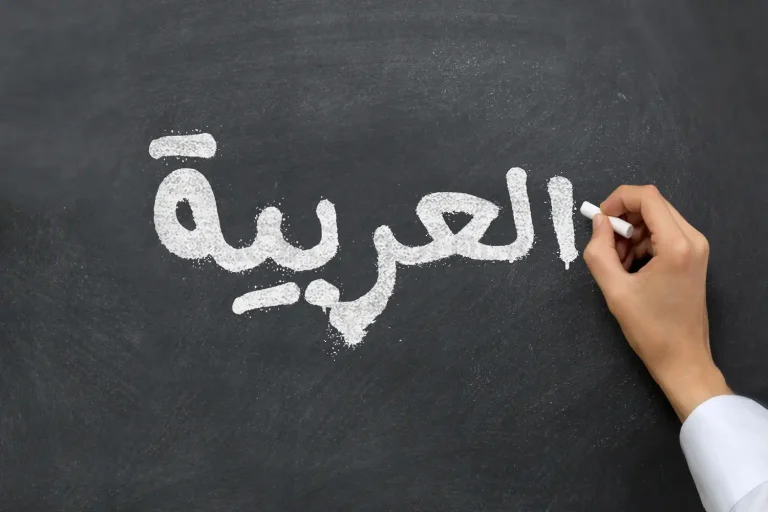
Arabic calligraphy is a timeless art form that beautifully combines language, culture, and artistic expression. Whether you are an art enthusiast, a language learner, or simply curious about this elegant script, mastering Arabic calligraphy offers a rewarding journey into Islamic heritage and creativity. This guide will walk you through the essential steps to begin learning Arabic calligraphy at home, covering the basics, tools, techniques, and styles.
Understanding the Basics of Arabic Calligraphy
Arabic calligraphy is more than just writing; it is an artistic expression of the Arabic script, known for its flowing curves and harmonious forms. The Arabic alphabet consists of 28 letters, written from right to left, with each letter having up to four different shapes depending on its position in a word-initial, medial, final, or isolated.
Before starting, familiarize yourself with the Arabic letters and the direction of writing. Arabic calligraphy involves smooth, connected strokes, so understanding how letters join is crucial. The art encompasses various scripts, including Kufic (bold and angular), Naskh (rounded and legible), and Thuluth (ornate and flowing), each with unique characteristics and historical significance.
Gathering Your Tools
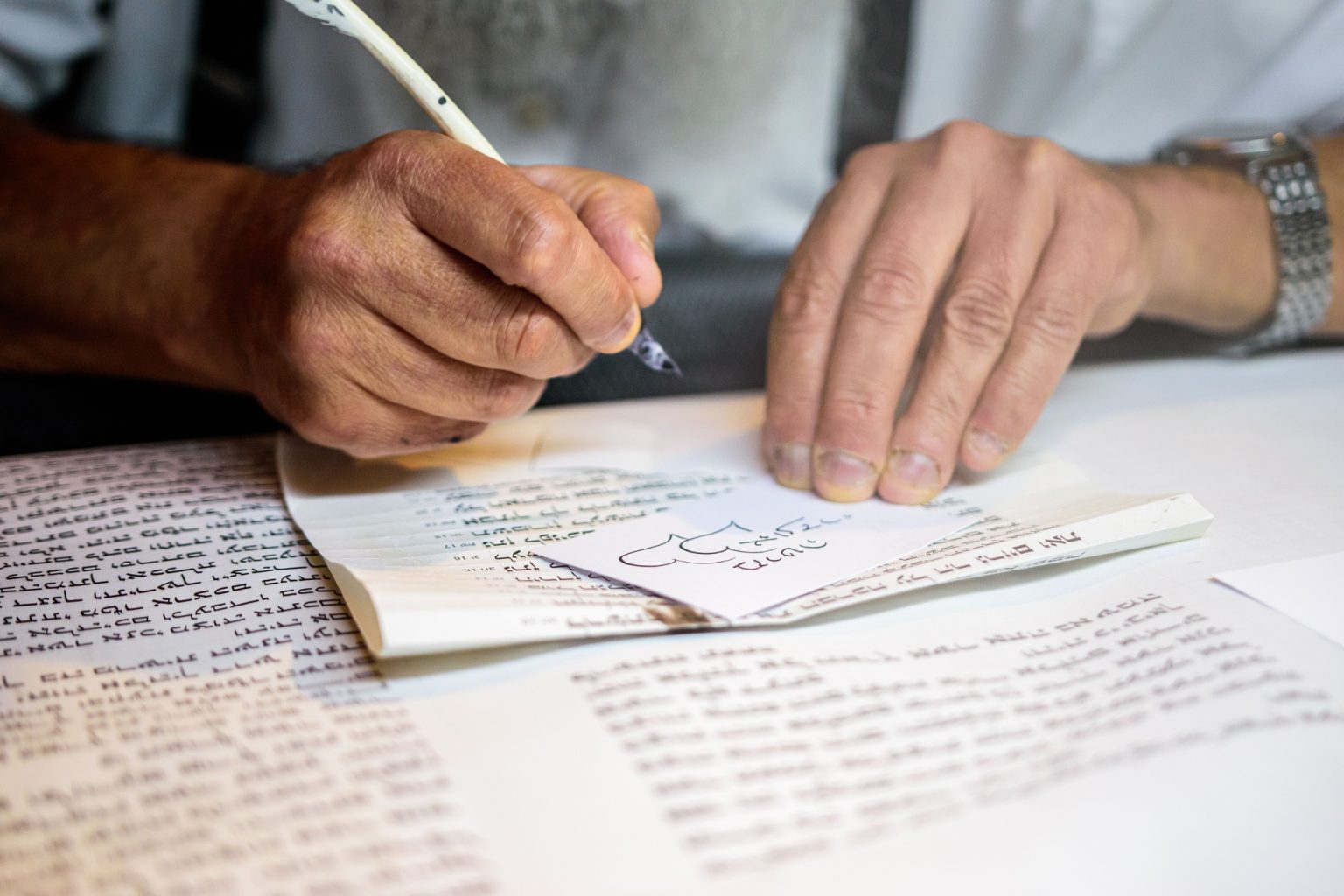
To begin practicing Arabic calligraphy, you will need some basic tools:
- Calligraphy Pens or Qalam: Traditional reed pens (qalam) are ideal for authentic practice, but broad-edged calligraphy pens or fountain pens can also be used for beginners.
- Ink: Use high-quality, smooth-flowing ink. Water-based inks are recommended for beginners to avoid smudging.
- Paper: Thick, absorbent paper designed for calligraphy is best, but smooth heavyweight paper can suffice for practice.
- Additional Tools: Rulers and compasses help create balanced and proportional letters, especially in more geometric scripts like Kufic.
Starting with the right tools enhances your control and the quality of your strokes, making practice more enjoyable and effective.
Practicing Basic Strokes and Letters
Arabic calligraphy is built on a few fundamental strokes that form the basis of all letters. These include:
- Vertical Stroke: A straight downward line.
- Horizontal Stroke: A left-to-right line.
- Oblique Stroke: A gently curved diagonal line.
- Circle: Formed by two curved strokes joined smoothly.
- Returning Tail: A tilde-like curve extended downward.
Begin by practicing these strokes to develop muscle memory and control. For example, the letter Alif (ا) in Kufic script is a simple vertical stroke with a gentle curve, often used as a warm-up exercise.
When practicing letters, start with simple ones like Alif and Ba before moving to more complex shapes. Focus on smooth transitions, consistent pressure, and flowing hand movements rather than just finger motions. Remember to write from right to left, and re-dip your pen frequently to maintain solid, dark lines.
Exploring Different Styles
Once comfortable with basic strokes and letters, explore various calligraphy styles:
- Kufic: The oldest style, known for its bold, geometric shapes. It’s often used for architectural inscriptions and religious texts.
- Naskh: A rounded, cursive script widely used in books and official documents due to its clarity.
- Thuluth: An elegant, decorative style featuring elongated letters and elaborate curves, commonly seen in mosque decorations and manuscripts.
Each style requires specific techniques and tools, so choosing one to focus on initially can help you develop expertise before branching out.

Tips for Mastering Arabic Calligraphy
- Move Your Whole Hand: Use your wrist and arm for fluid strokes, not just your fingers.
- Maintain Smooth Curves: Avoid sharp angles to preserve the harmony of letters.
- Control Pressure: Vary pen pressure to create thick and thin lines naturally.
- Practice Regularly: Consistent practice builds skill and confidence.
- Study Masters: Analyze works of renowned calligraphers to understand style and form.
- Be Patient: Mastery takes time; enjoy the meditative process of practice.
Conclusion
Learning Arabic calligraphy is a fulfilling artistic and cultural pursuit that deepens your connection to the Arabic language and Islamic tradition. By understanding the basics, gathering the right tools, practicing fundamental strokes, and exploring various styles, you can develop your skills and create beautiful calligraphic art. Remember, patience and consistent practice are key. Whether for personal enjoyment or professional growth, Arabic calligraphy invites you to express creativity through one of the world’s most elegant scripts.
For beginners interested in structured learning, consider online courses or tutorials such as Joumana Medlej’s Kufic script lessons or beginner-friendly videos available on platforms like YouTube. With dedication, your journey into Arabic calligraphy will be both inspiring and rewarding.